Demolition in Lidcombe 2141: A Local Contractor's Guide
Lidcombe's industrial fringe and steadily growing residential pockets keep our crews split between warehouse demolitions and house knock-downs. We've worked across the suburb's industrial estates and the new medium-density pockets near the station.
About Lidcombe and what it means for demolition
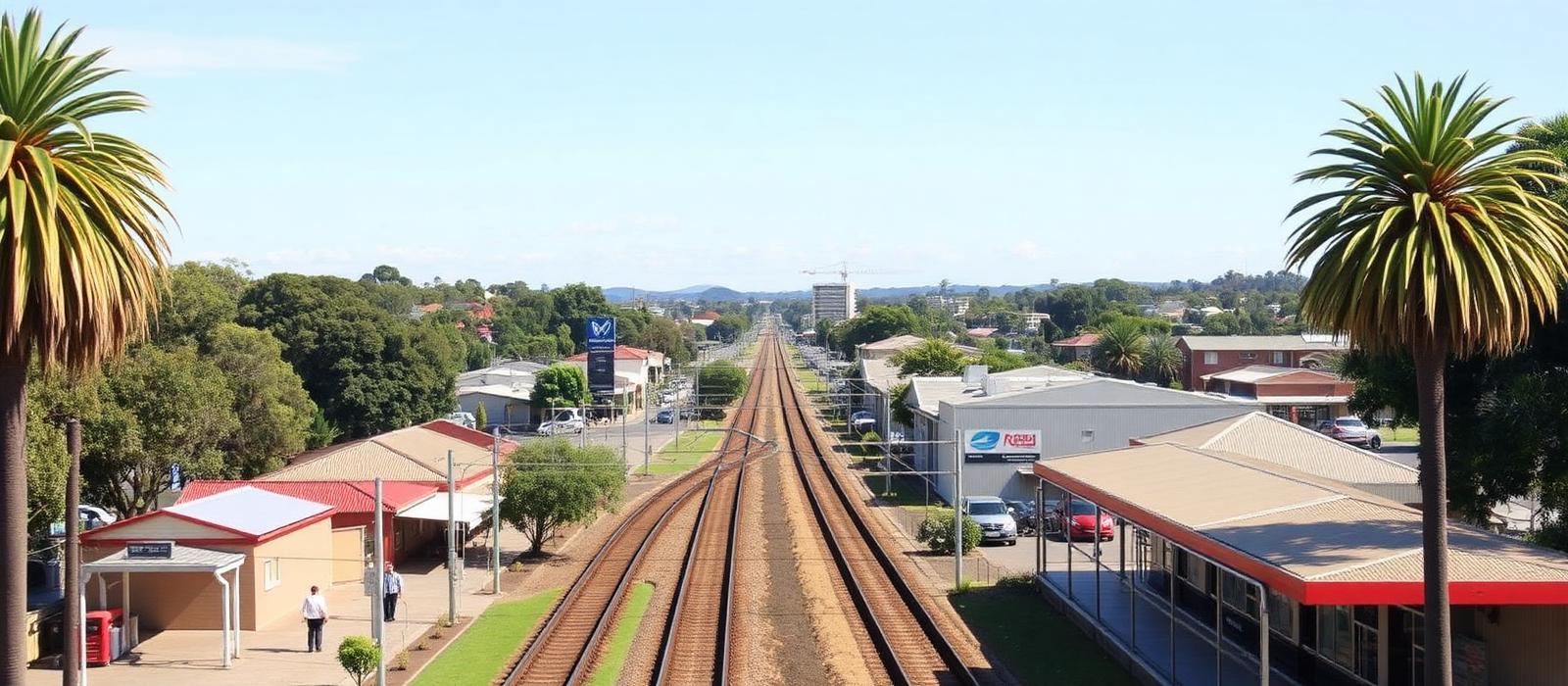
Lidcombe sits in the Western Sydney industrial fringe and growing residential pockets, four kilometres from Homebush. The Lidcombe station precinct upgrade has driven a wave of medium-density redevelopment. The industrial estates have good arterial access via Parramatta Road and the Hume Highway but tight internal streets in places. Postwar brick veneer through the residential streets, with newer townhouse and apartment infill along Joseph Street and around the station. The industrial side runs to large steel-portal warehouses and brick-walled factories from the 1960s–80s.
Knowing the suburb matters. The difference between a smooth four-day demolition and a stalled, complaint-ridden job is almost always down to local detail — the council's specific rules, the typical block sizes, the access constraints, and the kind of structure we're taking down. We've operated out of nearby Homebush since 2014, and Lidcombe sits 4 kilometres from our yard.
Typical demolition work in Lidcombe
The jobs we run most often in Lidcombe:
- Postwar house demolitions for new townhouse and duplex builds
- Warehouse demolitions in the industrial estates
- Site clearance and excavation for medium-density apartment builds
- Construction debris removal from active sites
Whether the project is a single residential knock-down or a full-floor commercial stripout, the methodology shifts based on what's on the slab and what the council expects to see in the paperwork. Our four most-booked services in Lidcombe are commercial demolition, residential demolition, excavation services and rubbish removals.
Local challenges we plan for
Every Lidcombe job carries a few recurring complications that we plan for at quoting stage rather than discovering on day one:
- Tight residential streets near the station precinct
- Asbestos cement is common in pre-1985 warehouse walls and roofs
- Council notification rules for industrial demolitions
- Cemetery proximity requires respectful hours and dust control
These aren't show-stoppers — they're routine. They become problems only when a contractor without local experience hits them blind. Our crews have worked across Lidcombe for over a decade and we factor every one of these into the programme and the quote.
Approvals and council: Cumberland City Council
Demolition in Lidcombe falls under Cumberland City Council. The approval pathway depends on the building, the site, and whether you're inside a Heritage Conservation Area. Most non-heritage residential demolitions go through a Complying Development Certificate (CDC) issued by a private certifier in 7–10 days. Heritage and larger commercial jobs need a full Development Application, which runs 8–16 weeks.
We don't lodge the CDC or DA ourselves — that's your certifier or planner's role — but we provide the Demolition Work Plan, SWMS, waste management plan, and methodology documents that your certifier needs. Our blog post on asbestos demolition nsw regulations walks through the approvals landscape in more detail.
A recent Lidcombe project
Recently in Lidcombe: a pair of adjacent 1960s brick cottages on Joseph Street demolished for a new 6-unit residential build. Three working days on site, asbestos roof sheeting and eaves removed under Class B licence beforehand, slab and footings extracted, level pad to engineer's spec.
We document every job this way — photo records at start, mid-point and finish, full waste tracking dockets from EPA-licensed facilities, and a final close-out pack handed to the client. It's the same package every time, and it's what makes the next council inspection straightforward.
Why local matters for Lidcombe demolition
Plenty of demolition contractors will travel to Lidcombe. The difference with a local team is response time, council knowledge, and the relationships built over a decade of working the same streets. From our Homebush yard we can have an estimator on site for a quote within the same day, mobilise plant within 48 hours for urgent stripouts, and roll one truck back through the suburb on its way home rather than scheduling a dedicated visit.
Local matters for the paperwork too. Cumberland City Council has a specific set of preferred forms, waste tracking templates and notification requirements. A contractor doing one job a year in the area learns these on the fly — and the fly is an expensive place to learn them. We've lodged the documents enough times to know exactly what passes first time.
Our process — from first call to a swept slab
- Free on-site inspection within 24 hours of your call. We walk the site, ask the right questions, photograph the boundaries and any hazards.
- Fixed-price written quote within 24 hours of the inspection, itemised so you know exactly what's included and excluded.
- Hazmat survey and licensed asbestos removal if required, with clearance certificates lodged before structural demolition begins.
- Utility disconnection coordination — Sydney Water, Ausgrid, Jemena. We chase the providers so you don't have to.
- Demolition and waste removal — typically 3–5 working days for a residential demolition, longer for commercial.
- Final clean and handover pack — swept slab, dust suppressed, fencing reinstated, full waste tracking and photo record delivered to you and your certifier.
Insurance, licensing and EEAT — what to check before you sign
Demolition is one of the highest-risk construction trades. Before signing any demolition contract — with us or anyone else — confirm the contractor holds:
- A current NSW SafeWork demolition licence (Class AD for unrestricted, Class DD for restricted)
- $20 million minimum public liability insurance, valid for the works period
- Current workers compensation cover for every person on site
- EPA-licensed waste haulier registration if hauling C&D waste
- Asbestos removal licensing (Class A friable or Class B non-friable) if asbestos is involved — or a written sub-contractor arrangement with a licensed removalist
Defence Demolition has held all of these continuously since 2014. We can email proof of insurance and licensing within minutes of you asking. If a contractor hesitates to provide proof, that's the answer to your question about whether to engage them.
Areas adjacent to Lidcombe
We service every suburb within 10 km of our Homebush yard. If you have a project that crosses suburb boundaries — common for developers consolidating multiple lots — we handle the whole campaign as one mobilisation. Adjacent suburbs we work in regularly include Auburn and Homebush. See the full list on our areas we service page.
Frequently asked questions about demolition in Lidcombe
Q.Can you demolish a warehouse with an asbestos roof?
Yes — asbestos cement roofing is very common on Lidcombe's older industrial buildings. The roof sheeting is removed first by a SafeWork NSW Class B licensed removalist, double-wrapped, and disposed of at an asbestos-licensed cell before the structural demolition begins. Clearance certificate is issued before our excavators come on.
Q.Do you do bulk excavation for new apartment slabs?
Yes — many of our Lidcombe jobs roll straight from demolition into bulk excavation for the new build's basement or slab. Same crew, same machines, no remobilisation cost.
Q.How do you handle dust control near the cemetery?
Out of respect we keep noisy and dusty operations away from the Saturday morning service hours, use water carts on any exposed soil, and avoid heavy traffic through the cemetery streets. Local crews who know the area make a real difference.
Q.Can you stage demolition across multiple lots?
Yes — for developers with multiple adjacent Lidcombe lots we stage the demolitions, sequence the waste streams, and consolidate site establishment costs across the lots. Bigger sites usually unlock better per-square-metre pricing.
Q.Are there special rules near the train line?
Demolitions within Sydney Trains' influence zone (typically 25 m) need a Sydney Trains review and may need a possession booking for any over-track work. Most Lidcombe sites are outside the zone but we check before quoting.
Get a quote for your Lidcombe project
Every demolition starts with a free site inspection and a fixed-price written quote — usually within 24 hours of your call. Request a quote online and we'll be in touch the same day to book the inspection.