
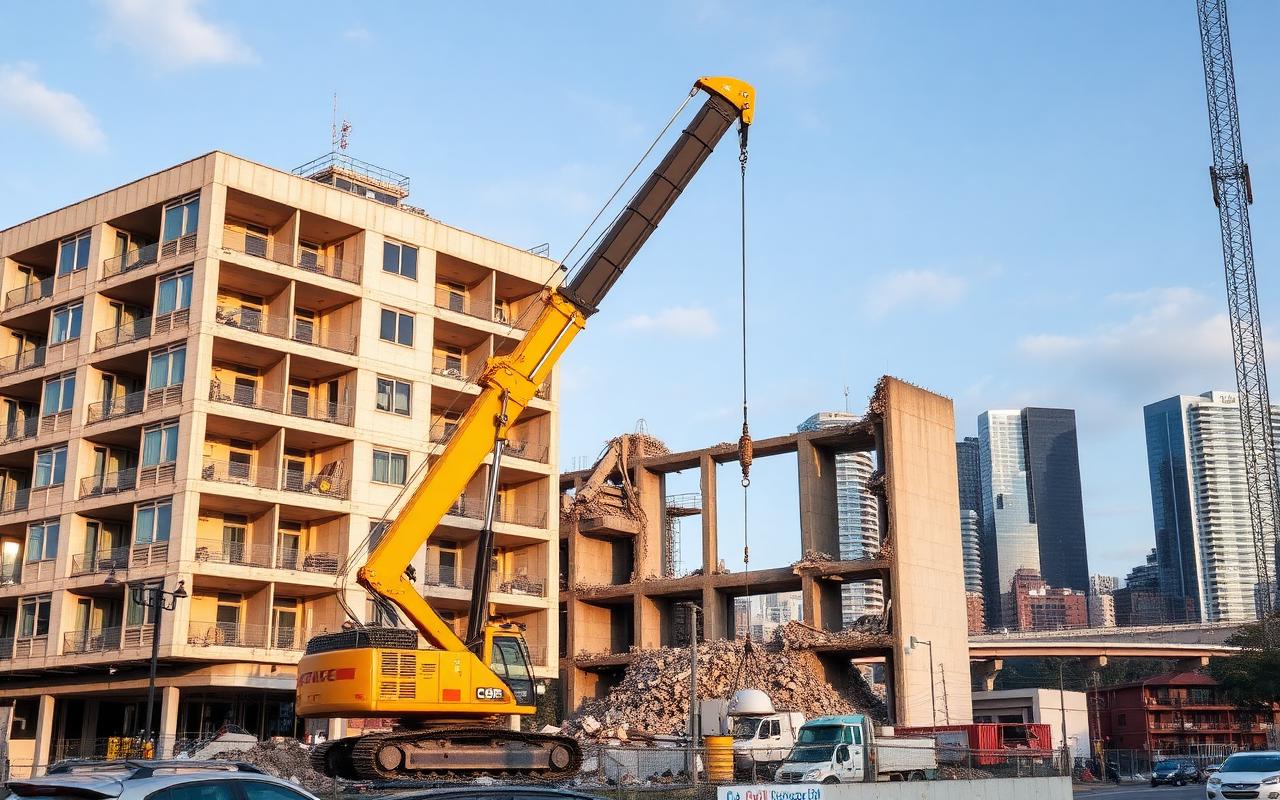
A commercial strip out in Sydney looks simple from the outside: empty the tenancy and hand back the keys. In practice it is a tightly sequenced project involving your lease, the building manager, licensed trades, waste facilities and the landlord's inspector. Miss one step and your handover date slips, bond money is held, or holding-over rent kicks in. This checklist is the same one our project managers use on every strip out demolition in Sydney, written for tenants, landlords and fitout managers who want a clean, on-time result.
Who this checklist is for
Office tenants leaving a floor at lease end, retail operators exiting a shopping-centre tenancy, landlords preparing space to re-let, and fitout builders who need a clean shell before construction. The steps are the same whether the space is 80 m² in Parramatta or a full floor in the CBD — only the scale changes.
Phase 1: Lease and scope review (8 weeks out)
- Read the make-good clause. Does it require a bare shell, or reinstatement to the original base-build? This single clause sets the scope.
- Find the original handover condition. Ask the landlord for the dilapidation report or fit-out drawings from when you moved in.
- List what stays. Landlords often want to keep ceilings, lights, kitchens or meeting rooms for the next tenant. Get this in writing.
- Decide strip out or full defit. If the lease requires reinstatement, you need a commercial defit and make-good, not just removal.
- Book a site walkthrough with your contractor so scope, access and timing are confirmed in person.
Phase 2: Building approvals (6 weeks out)
Every managed building in Sydney has its own rules. Expect the building manager to ask for:
- Safe Work Method Statements and a risk assessment
- Certificates of currency for public liability and workers' compensation
- A programme showing work hours, noisy work windows and night shifts
- Loading dock, goods lift and car park bookings
- Crew site inductions and hot-work or isolation permits
- A waste management plan showing where materials go
CBD and Parramatta towers commonly restrict noisy work to after 6pm. Shopping centres usually need everything done outside trading hours. Build these limits into the programme from day one.
Phase 3: Hazardous materials check (5 weeks out)
Any commercial building built before 1990 may contain asbestos in ceiling tiles, vinyl flooring, risers, fire doors or pipe lagging. Review the building's asbestos register before the strip out starts. If materials will be disturbed, a licensed removalist must handle them and a clearance certificate issued before general strip out continues. Our SafeWork NSW asbestos checklist explains the notifications and timing.
Phase 4: Services make-safe (2–3 weeks out)
- Electrical: a licensed electrician isolates and terminates circuits back to the board.
- Data and comms: redundant cabling removed back to the comms room, as most leases require.
- Plumbing and gas: kitchens, bathrooms and tea points capped by a licensed plumber or gasfitter.
- Fire services: sprinkler heads, detectors and EWIS adjusted by a fire-protection technician so the floor stays compliant.
- Mechanical: supplementary AC units and ducting removed with refrigerant recovered correctly.
Phase 5: The strip out itself
On site, the order matters. A professional crew works top-down and clean-to-dirty:
- Loose furniture, IT and joinery removed or sent to recyclers and charities
- Ceiling tiles, grid and insulation taken down
- Glazed offices and plasterboard partitions dismantled
- Raised floors, carpet tiles and vinyl lifted
- Services cleared back to the agreed points
- Continuous bin runs so nothing sits in common areas overnight
A typical crew clears around 100 m² of office fit-out per shift. Sorting at the source — metal, plasterboard, timber, carpet, glass — keeps most materials out of landfill and gives you recycling dockets for your ESG reporting. Our construction waste removal team handles the trucks and tracking.
Phase 6: Handover and landlord inspection
- Broom-swept floor, with all fixings and adhesives removed as the lease requires
- Dated photos of every room for your records
- Waste and recycling dockets
- Electrical, plumbing and fire services certificates
- Joint walkthrough with the landlord or their inspector, with a short defects list closed out the same week
Retail, hospitality and warehouse differences
Retail: shopfronts, signage and display joinery come out first, and centre management will usually insist on hoarding. Restaurants and cafés: grease traps, exhaust hoods, coolrooms and gas need specialist trades. Warehouses: racking, mezzanines and site offices are removed with forklifts and EWPs, and slab fixings ground flush.
Common mistakes to avoid
- Starting late and paying holding-over rent
- Assuming the landlord wants everything removed without asking
- Ignoring the asbestos register
- Forgetting data cabling, which most leases require removed
- Not booking the loading dock early in busy buildings
Why tenants in Western Sydney and the CBD choose a local crew
From our Homebush base we reach the CBD, Parramatta, Rhodes and Olympic Park office precinct in under 30 minutes. That means quick walkthroughs, fast mobilisation for urgent lease ends and crews who already know the local building managers. For more on end-of-lease obligations, see our office stripout guide for Sydney tenants.
Have a lease end coming up? Book a free strip out walkthrough or call 0423 636 650 — we'll review your make-good clause and give you a clear programme.
Frequently asked questions
How far ahead should I book a commercial strip out in Sydney?+
Book 6–8 weeks before your lease end date. That leaves time for the building manager's approvals, hazmat checks, service isolations and a buffer in case the landlord's inspection finds extra items.
What documents does a building manager need before an office strip out?+
Usually a Safe Work Method Statement, public liability and workers' compensation certificates, a programme, a waste management plan, crew inductions and loading dock and lift bookings.
Who is responsible for asbestos in a commercial tenancy?+
The person conducting the business or the building owner must hold an asbestos register. Before a strip out, the contractor reviews it and any asbestos disturbed must be removed by a SafeWork NSW licensed removalist.
Can a strip out happen while the rest of the building is trading?+
Yes. Most Sydney office and retail strip outs run at night or on weekends with dust screens, protected lift cars and noisy work scheduled outside business hours.
What do I get at handover?+
A broom-swept shell or base-build space, photos of every area, waste and recycling dockets, and certificates for any capped electrical, plumbing and fire services.